200,000 U.S. Business and Tourist Visas Could Be Revoked
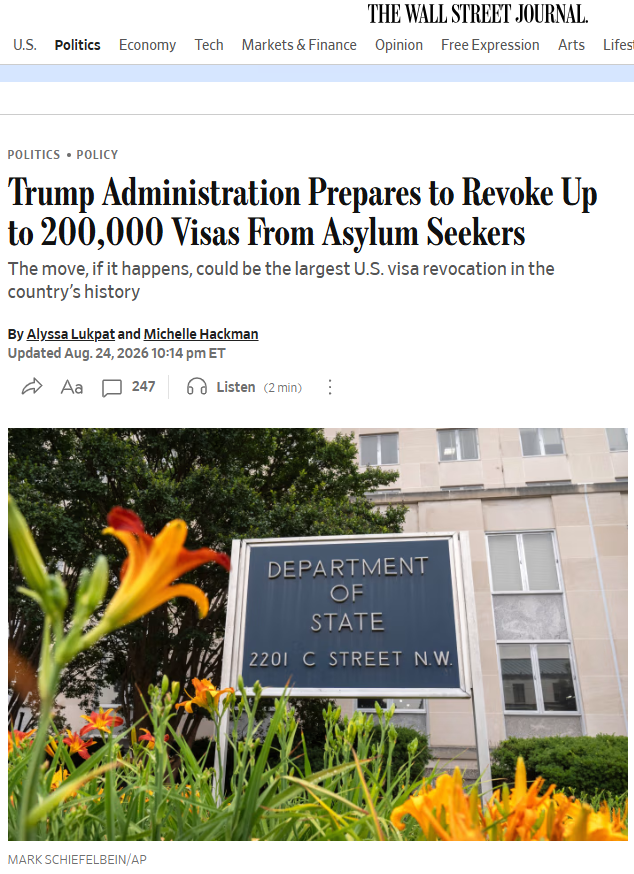
The United States is preparing what could become the largest mass visa revocation in its history — a move that underscores a broader shift in Washington’s approach to immigration enforcement.
According to the Associated Press, the Trump administration is preparing to revoke up to 200,000 B1 business and B2 tourist visas held by foreign nationals who entered the U.S. as temporary visitors and subsequently sought asylum.

Who Is Actually Affected?
This is not a blanket cancellation of B1/B2 visas.
The measure is aimed at a specific group: foreign nationals admitted for temporary business or tourism who later sought to remain in the country through the asylum system.
Seeking asylum is, in itself, a lawful process for those with legitimate claims. The issue now drawing greater scrutiny is whether an individual’s stated purpose when seeking temporary entry is consistent with their subsequent immigration actions.
That distinction matters.
What Is Washington Signalling?
The broader message is not that America is simply shutting its doors.
It is that U.S. immigration policy is becoming more selective — and more exacting about compliance.
Temporary visitors, asylum seekers, skilled professionals, multinational executives and investors enter under fundamentally different legal frameworks. As enforcement intensifies, the choice of immigration pathway — and the credibility of the case behind it — matters more than ever.
Is America Closing the Door?
Far from it.
The U.S. continues to maintain established immigration pathways for people whose talent, expertise, business leadership or capital can contribute to the country.
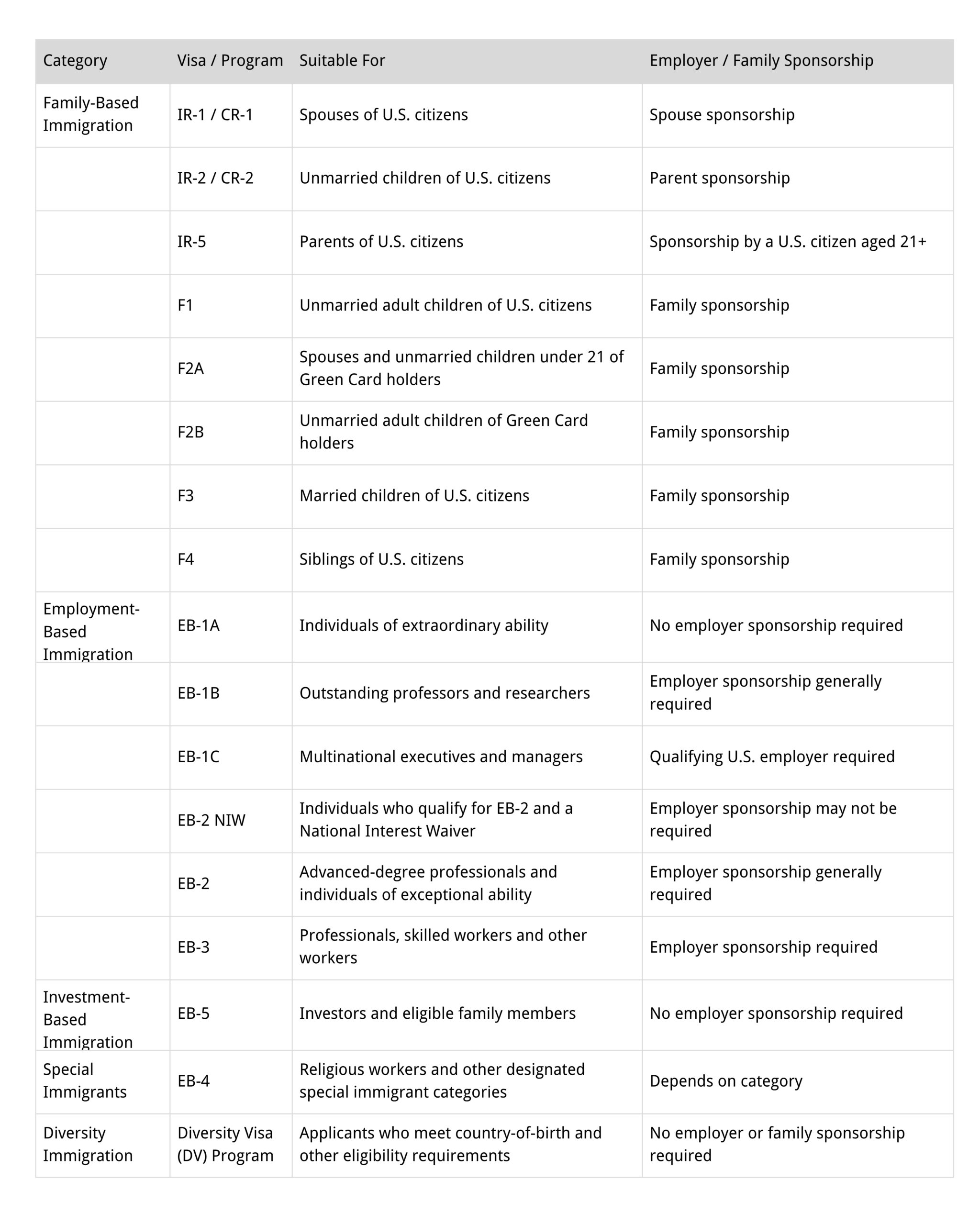
EB-1A provides a route for individuals of extraordinary ability.
EB-2 NIW can offer qualified professionals a pathway where their proposed work is deemed to serve the U.S. national interest.
EB-1C remains available to qualifying multinational executives and managers.
And EB-5 continues to provide an immigration route for investors who meet the programme’s investment and job-creation requirements.
The contrast is increasingly difficult to miss: tighter enforcement on one side, clearly defined legal pathways on the other.
What Does This Mean for Prospective Applicants?
The era of treating immigration strategy as simply “finding a way in” is becoming increasingly untenable.
Temporary entry has one purpose. Humanitarian protection has another. Talent-, employment- and investment-based immigration each operate under their own rules.
For serious applicants, the priority should therefore be clear: choose the right route from the outset, build the case around genuine qualifications, and ensure that immigration strategy reflects the applicant’s actual objectives.
The Bottom Line
America is not retreating from immigration altogether. It is drawing sharper distinctions over who qualifies, under which route, and on what basis.
The U.S. is tightening non-compliant pathways — not closing its doors to talent and capital.
For accomplished professionals, entrepreneurs, business leaders and investors, greater scrutiny does not necessarily mean fewer opportunities. Clearer rules can make the right opportunities more valuable — provided you know where to look.
Considering the U.S. for your career, business, investment or family? Speak with Adepture to determine which pathway best aligns with your profile and long-term objectives.